Travel / Wanderings 2020
Iceland Travel Guide
My wife is Icelandic. I've been coming here for nearly two decades. Here's what I know.
My wife is Icelandic. I've been visiting Iceland consistently for almost twenty years. I don't know everything about the country, but I know the parts that matter to travelers — and more importantly, I know the parts that travel guides get wrong.
Iceland is not magical. It's not mysterious. It's not particularly welcoming. It's also one of the most stunning places on earth, and if you know where to look, you'll see why.
Reykjavik: The Capital That Isn't Really
Reykjavik feels smaller than a European capital should. The city proper is maybe 130,000 people. Walking from the harbor district to Hallgrimskirkja church is 15 minutes. It's walkable, it has character, and the restaurant scene is genuinely good.
Laugavegur is the main shopping street — restaurants, shops, galleries. It connects the old harbor to the church. Do this walk once for the geography, then pick a neighborhood and get lost in it instead.
Nightlife is real here. Icelanders drink seriously and party late. Bars don't get busy until 11 PM. If you're going out, go late.
Stay 2-3 days maximum. You'll see the good stuff. After that, you'll be waiting in restaurants and paying Icelandic prices for standard meals.
The Golden Circle: The Obvious Route
This is Day 1 for most people, and they're not wrong.
Thingvellir National Park — you walk between tectonic plates. The rift valley between North American and Eurasian plates is literally splitting the country apart. It sounds impressive and it is. The hiking is soft; the geology is real.
Strokkur Geyser erupts every 8-10 minutes. You stand 10 meters away and watch boiling water shoot 40 meters in the air. It's visceral. The other geysers nearby are dead or dormant. This one works. Watch it three times and move on.
Gullfoss waterfall — two-stage drop, massive flow in the right season (spring/early summer). By autumn it's lower. Still worth seeing, still impressive.
You can do the Golden Circle in a day from Reykjavik (3 hours driving total). Or do it in two days if you want to actually absorb it.
Blue Lagoon & the Reykjanes Peninsula
The Blue Lagoon is touristy as hell. It's also genuinely worth doing once. The water is warm (38-40°C), milky blue from silica minerals, and you float around while looking at the power plant that keeps the whole thing running. It's Iceland's greatest contradiction — man-made, artificial, and somehow perfect.
Book ahead. Prices are criminal. Go anyway.
The Reykjanes Peninsula has less-crowded geothermal areas (Sky Lagoon, locals-only beaches) and bridges between continents. Drive it for the geology, not the crowds.
South Iceland: The Actual Magic
This is where you go if you want to understand why people move here.
Seljalandsfoss and Skogafoss are waterfalls. You walk behind Seljalandsfoss; you stare at Skogafoss from below. Both are impressive. Skogafoss has more water.
Eyjafjallajökull (yes, that's the volcano that grounded European air traffic in 2010) looms behind. The hiking is good if you have time.
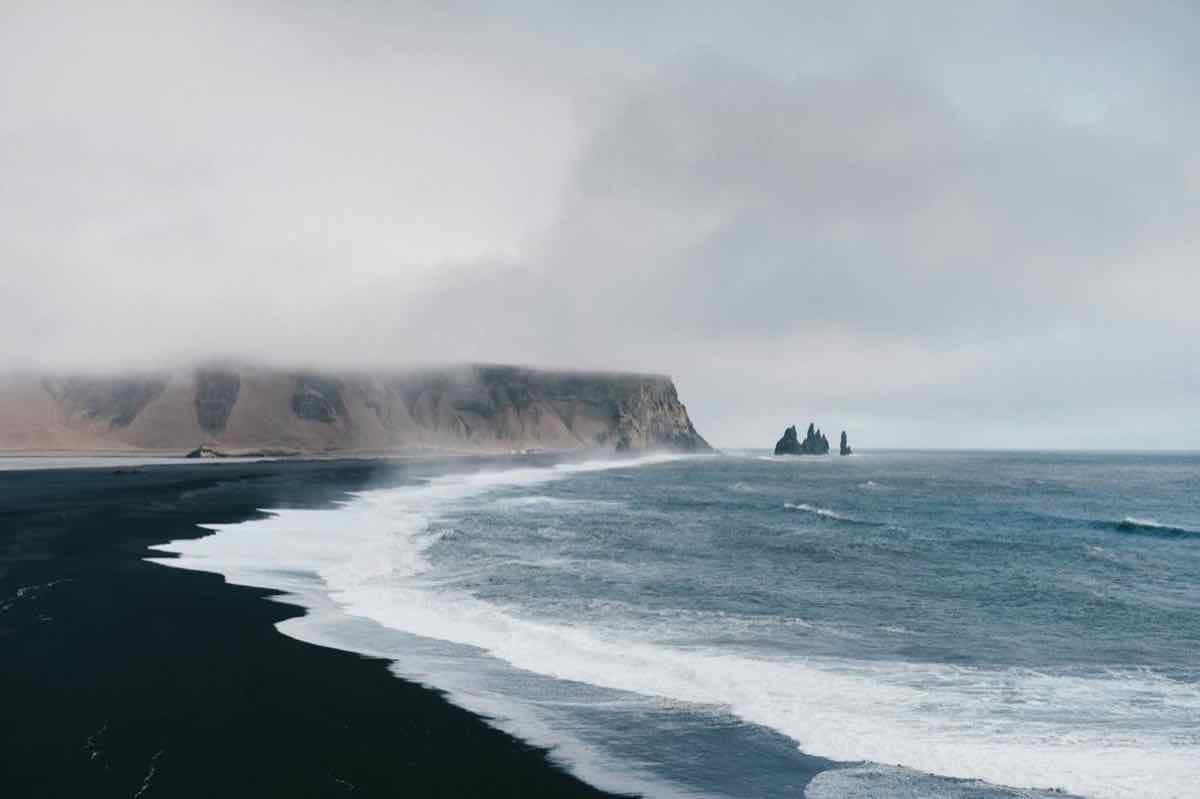
Vik — the town at the southern coast with black sand beaches. The sand is volcanic glass, black and sharp. The cliffs are vertical and dramatic. The light here, especially in autumn, is something else. Stay the night, hike around, eat the fish.
Jökulsarlon glacier lagoon — icebergs calving off Vatnajökull glacier, floating in a glacial lake. The road to get there is long and windy. Worth it. Walk the glacier face if conditions allow. The light here at sunset is genuinely unbelievable.
Landmannalaugar — high-altitude geothermal area. Rhyolite mountains, hot springs, extreme terrain. Requires 4x4 or a bus tour. If you want to hike, this is where to do it. The Laugavegur Trail runs here.
Plan 5-6 days for South Iceland. You'll move slow. You'll stop constantly. You won't regret it.
West & Westfjords: For Longer Trips
Snaefellsnes Peninsula — the classic 170 km loop. Black sand beaches, glaciers, dramatic coastal cliffs, small towns. Kirkjufell mountain is the iconic peak (you've seen it in photos). The drive is slow; the scenery is worth it.
Westfjords are remote. Latrabjarg cliffs have puffins in breeding season (April-August). Dynjandi waterfall is a multi-tiered cascade that looks unreal. Roads are rough, distances are deceptive. Go if you have time and patience. Don't rush through.
North: Akureyri to Lake Myvatn
Akureyri is the second city. It's smaller than Reykjavik, worth an evening walk and a good restaurant.
Husavik is the whale watching capital. Whale watching is real; tours leave daily. Summer is the season. Cold as hell even in summer.
Lake Myvatn has geothermal activity, birdlife, and Dettifoss — the most powerful waterfall in Europe (not by height, by volume). The water is absolutely deafening. You can feel it from 50 meters away.
East & Highlands
Borgarfjördur Eystri in the east has puffin colonies and hiking. It's off the main road, which is why it's better than the puffin tours on the south coast.
The Highlands (Kjölur route, Askja caldera, other interior roads) require 4x4 vehicles and are open only July-September. They're extraordinary but brutal. Only go if you know what you're doing.
Practical Reality
Route 1 circles the country — 1,332 km. You can do it in a week if you drive 8 hours daily and don't stop much. Better: 10-14 days if you actually want to see things.
Weather — bring layers. Rain is constant. Wind is serious. Summer is best (June-August); autumn is moody and golden; winter is dark and unpredictable.
Driving — rent a decent 4x4 if you're going anywhere interesting. Roads are good until they aren't. Gravel roads are the standard in the interior.
Money — Iceland is extremely expensive. A hamburger costs $18. A beer costs $10. Accept it and budget accordingly.
The Truth
Iceland is not a character in a movie. It's not a wellness retreat. It's a country where people work, live, complain about the weather, and get on with things.
But the landscape — the raw geology, the light, the emptiness, the water — that part is real. That part is worth your time.
Go in the right season, move slowly, turn off your phone for a few days, and you'll understand why Icelanders never quite leave.